HEALTH
OCDI Partners with UNFPA, UNICEF, and Kwara State to Empower Adolescent Girls with Disabilities on World Menstrual Hygiene Day
6/4/2026
Sexual And Reproductive Health Rights(SRHR)
In commemoration of World Menstrual Hygiene Day, Olive Community Development Initiative (OCDI), in partnership with UNFPA, UNICEF, and the Kwara State Government, reached 100 adolescent girls living with disabilities through an inclusive intervention focused on menstrual health, dignity, safety, and Sexual and Reproductive Health Rights.
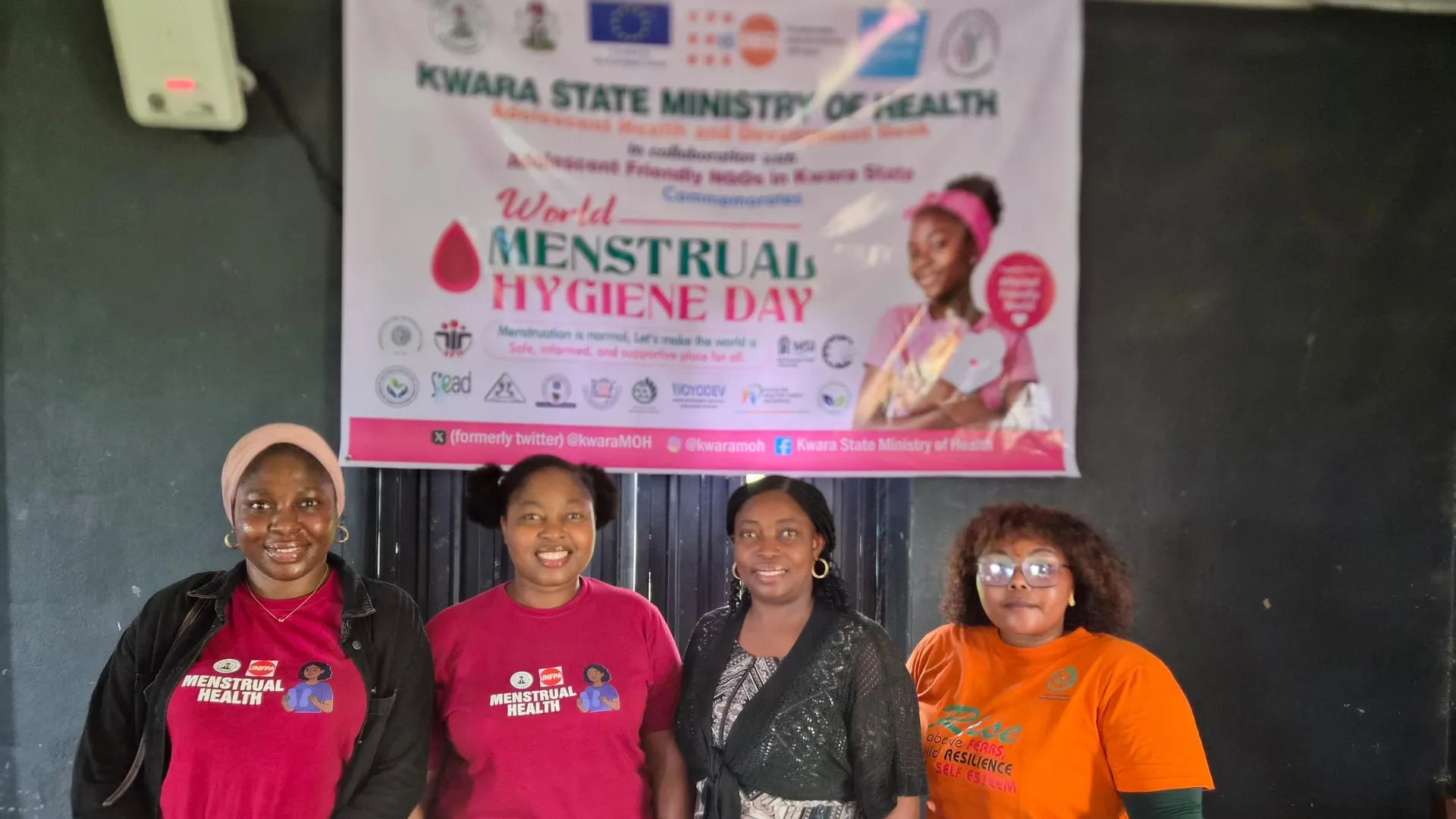
In a powerful demonstration of inclusive advocacy, Olive Community Development Initiative (OCDI) partnered with United Nations Population Fund, United Nations Children’s Fund, the Kwara State Ministry of Health, and Adolescent & Youth Friendly Health Services (AYFHS) to commemorate World Menstrual Hygiene Day with a groundbreaking intervention focused on an often-overlooked group—adolescent girls living with disabilities.
The event was designed to break the silence surrounding menstrual health and Sexual and Reproductive Health Rights (SRHR) while ensuring that disability does not become a barrier to access, dignity, or essential healthcare information.
Addressing Silence, Stigma, and Emotional Burden
One of the key discussions centered on the emotional, psychological, and social burden many families face while raising children with disabilities. Parents often navigate stigma, isolation, and financial exhaustion, which can lead to neglect or social exclusion of these children.
Through counseling and community engagement, OCDI and its partners are actively working to dismantle these barriers and promote more supportive, inclusive environments for adolescent girls with disabilities.
Promoting Access to Reproductive Health Information
Technical facilitators challenged harmful myths, particularly the misconception that girls living with disabilities do not require reproductive healthcare or sexuality education.
Participants received tailored guidance on:
• Menstrual hygiene management
• Body autonomy and consent
• Preventing sexual exploitation and abuse
• Accessing Sexual and Reproductive Health services
• Family planning and post-childbirth care
These conversations reinforced the importance of equipping every adolescent girl—regardless of ability—with knowledge to make informed decisions about her health and safety.
Ensuring Accessibility for Every Girl
To ensure meaningful participation, the entire program was adapted using specialized communication and learning strategies.
• 79 adolescent girls living with deafness participated through expert sign language interpretation and visual learning tools.
• 12 adolescent girls with intellectual disabilities were engaged using simplified messaging and caregiver-supported sessions.
• 9 adolescent girls living with blindness participated through tactile demonstrations and sensory-guided instruction.
This inclusive approach ensured that all participants could fully engage, learn, and ask questions in ways tailored to their needs.
Providing Practical Support
Beyond awareness creation, the intervention translated advocacy into direct support. Participants received menstrual hygiene commodities and essential consumables, including water, biscuits, and learning materials that also strengthened the capacity of teachers and frontline service providers supporting these girls.
Sustaining Impact Beyond the Event
In total, 100 vulnerable adolescent girls were reached with an integrated package of health education, dignity support, and rights-based advocacy.
Moving forward, OCDI and its partners remain committed to strengthening trauma-informed support systems for frontline workers, expanding referral and tracking networks, and ensuring that vulnerable adolescent girls—including those who are out of school or pregnant—receive timely counseling and protection.
Together, we are building a Kwara State where every adolescent girl, regardless of ability, can live with dignity, access care without barriers, and thrive without fear.